Skip to product information
1 of 1

Boss Air Suspension

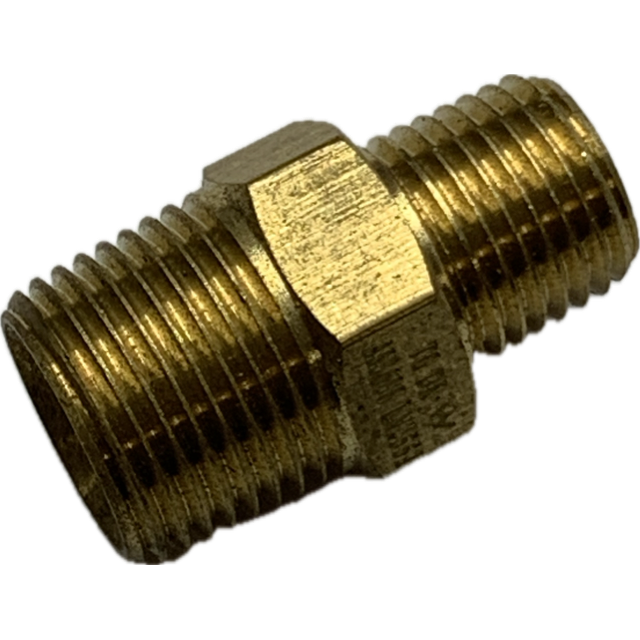
REDUCING NIPPLE 1/4-1/8

REDUCING NIPPLE 1/4-1/8

SKU:COM-73-RN1/4X1/8

Regular price $7.80 AUD
Regular price $0.00 AUD Sale price $7.80 AUD
Sale Sold out
Taxes included. Shipping calculated at checkout.

or up to 12 months interest free. Fees apply. ZIP

19 in stock


Product Description

REDUCING NIPPLE 1/4-1/8

Product Category: Air Fittings

Brand: Boss Air Suspension

Introducing the REDUCING NIPPLE 1/4-1/8, a vital component in the realm of air fittings. This product is designed to seamlessly integrate with your air suspension system, ensuring optimal performance and reliability. Crafted by the renowned Boss Air Suspension, this reducing nipple is a testament to quality and precision engineering.

Whether you're setting up a new system or upgrading an existing one, the REDUCING NIPPLE 1/4-1/8 is an essential piece. It plays a crucial role in connecting different sizes of air fittings, making it indispensable for creating efficient and effective load assist kits. When paired with brackets, it enhances the functionality of airbags, providing the support and stability needed for heavy loads.

Choose the REDUCING NIPPLE 1/4-1/8 for its durability and compatibility, and experience the difference in your air suspension system's performance. Trust in Boss Air Suspension to deliver products that meet the highest standards of excellence.

View full details

Frequently asked questions

Should I use thread tape or thread sealant on air fittings?

Boss recommends using a liquid thread sealant rather than thread tape. Small fragments of thread tape can break off, travel through the airlines and lodge in valves or valve blocks, causing them to stick open or closed. A quality thread sealant seals the threads without shedding debris.

How do I avoid leaks with push-to-connect fittings?

Always cut the airline square with a sharp tube cutter, not side cutters. Push the tube firmly into the fitting until it bottoms out, then pull back gently to seat the collet. Most leaks are caused by angled cuts, scratched tube, or the line not being fully inserted.

Can I reuse push-to-connect fittings and airlines?

You can often reuse fittings and lines if they are in good condition, but if the tube end is scratched, oval or has been repeatedly removed, it is safer to cut back to a fresh section or replace it. Damaged tube ends are a common source of slow leaks.

What materials are used in the construction of the REDUCING NIPPLE 1/4-1/8?

This reducing nipple is crafted from high-quality materials that ensure durability and resistance to wear and tear. This construction is vital for maintaining the integrity of your air suspension system under various conditions.

Is the REDUCING NIPPLE 1/4-1/8 compatible with all Boss air suspension systems?

Yes, the REDUCING NIPPLE 1/4-1/8 is designed to be compatible with all Boss air suspension systems that require a connection between 1/4" and 1/8" fittings. Always ensure that the fittings you are connecting are suitable for your specific application.

Can I use the REDUCING NIPPLE 1/4-1/8 for other applications outside of air suspension?

While the primary use of the REDUCING NIPPLE 1/4-1/8 is within air suspension systems, it can also be used in other pneumatic applications where a 1/4" to 1/8" connection is needed. Ensure that the application does not exceed the pressure ratings of the nipple.

How do I ensure a leak-free connection when using the REDUCING NIPPLE 1/4-1/8?

To achieve a leak-free connection, it is recommended to use a liquid thread sealant on the threaded fittings instead of thread tape. This prevents fragments from breaking off and causing blockages in your air system. Ensure that the fittings are tightened to the manufacturer's specifications.

What is the maximum pressure rating for the REDUCING NIPPLE 1/4-1/8?

The REDUCING NIPPLE 1/4-1/8 is designed to withstand high pressures typical in air suspension systems. Always refer to the product specifications for exact pressure ratings and ensure that your system operates within these limits to avoid failures.